
Why Your Business Needs a Website and Domain-Based Email

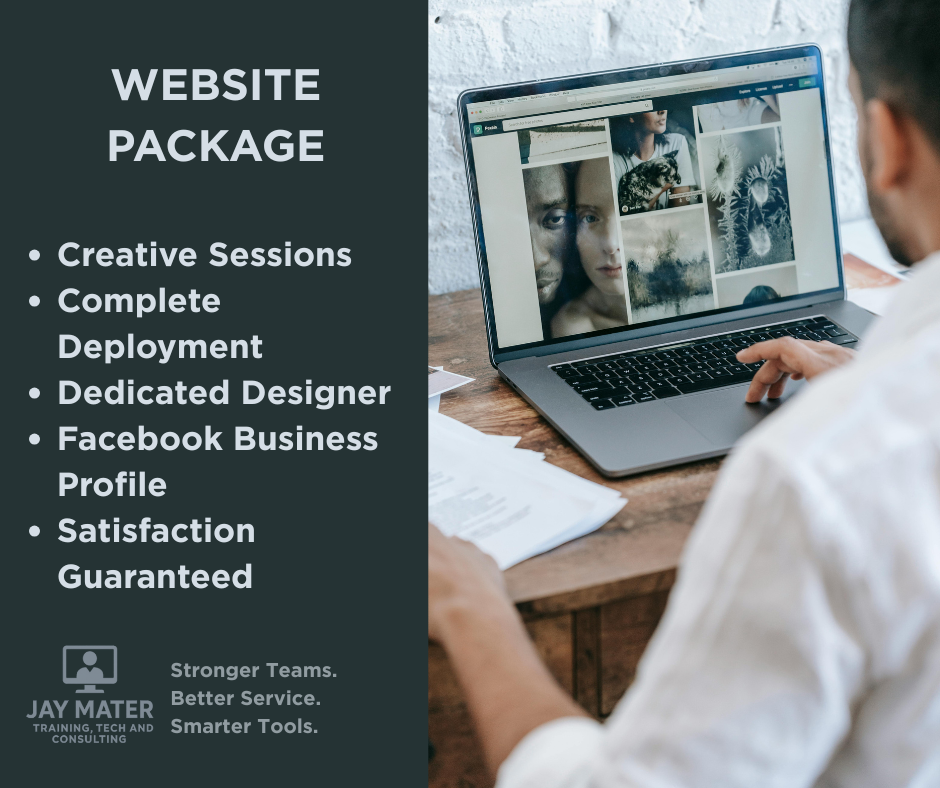
In today’s digital-first world, your website is often the first impression customers have of your business. Pair that with a professional email address tied to your domain, and you’ve built a foundation for credibility, strong customer service, and a brand that stands out from the competition.
1. Credibility and Trust
Customers are more likely to trust businesses with a polished online presence. A website provides a central hub where people can learn about your products, services, and values. But credibility doesn’t stop there—using an email address that matches your domain (like info@yourbusiness.com) reinforces professionalism. Compare that to a generic Gmail or Yahoo account, and the difference is clear. A branded email shows you’re serious about your business and can reassure customers that you’re legitimate.
2. Customer Service and Accessibility
Your website acts as a 24/7 customer service tool. With clear information, FAQs, contact forms, and live chat options, you give customers the support they need—when they need it. A domain-based email address also makes communication seamless and organized. Customers know exactly who they’re contacting, and your team can manage inquiries more efficiently. This combination builds confidence and improves overall customer satisfaction.
3. Standing Out in the Market
In competitive industries, small details make a big difference. A custom website paired with domain-branded email separates you from businesses relying on social media pages or free email accounts. It signals that you’ve invested in your brand and are here for the long run. A professional digital presence makes your business more memorable, helping you stand out and attract more opportunities.
Final Thoughts
Your website and branded email aren’t just digital tools—they’re essential assets for growth. They establish credibility, enhance customer service, and give your business the edge it needs in a crowded marketplace. If you haven’t made the switch yet, now is the time to invest in your online presence.

Focus on What You Do Best—Leave the Tech to Us
Every day, businesses do incredible things in their stores, offices, and communities. You serve your customers with skill, dedication, and care—whether that’s delivering great products, offering trusted services, or building relationships that keep people coming back. That’s where your strengths are, and that’s where your focus should be.
But in today’s world, running a business often means juggling more than just your craft. From websites to online booking systems, digital marketing to e-commerce, the technology side can be overwhelming and time-consuming. And the truth is—it doesn’t have to be.
That’s where we come in. By leaving the website design, technology setup, and digital details to us, you can stay focused on what you do best: running your business. We’ll make sure your online presence reflects the same quality and professionalism you deliver every day in person.
Proudly serving North Bay and all of Canada, we’re here to help businesses like yours shine both in-store and online. Because when you do what you’re great at, and we handle the rest, your customers get the best possible experience—no distractions, no stress.
The Basics of Great Customer Service (and How Training Can Help)
Strong customer service isn’t just about solving problems—it’s about creating positive experiences that keep people coming back. For small businesses, great service is one of the most powerful ways to build loyalty and stand out from the competition.
So, what makes up the foundation of excellent customer service?
1. Active Listening
Customers want to feel heard. Active listening means giving your full attention, asking clarifying questions, and making sure the customer knows their concerns matter.
2. Empathy and Professionalism
Empathy builds trust. When staff can put themselves in the customer’s shoes and respond with patience and professionalism, situations resolve more smoothly.
3. Clear Communication
Whether it’s in person, over the phone, by email, or even live chat, clear communication prevents misunderstandings and shows respect for the customer’s time.
4. Handling Complaints Effectively
Complaints are opportunities. With the right tools, staff can turn difficult situations into moments that rebuild trust and demonstrate care.
Training That Builds These Skills
I offer customized training programs designed to help your team master these essential skills. Sessions are interactive, practical, and tailored to your business, covering areas like:
Customer Service Essentials – active listening, empathy, professionalism, complaint handling
Communication Skills – phone, email, live chat, and face-to-face interactions
Conflict Resolution & De-escalation – strategies for managing difficult situations
Sales & Upselling Skills – customer-focused ways to increase revenue without being pushy
Why It Matters
Investing in customer service training doesn’t just improve customer experiences—it strengthens staff confidence, boosts team morale, and ultimately drives business growth.
If you’d like to give your team the tools to deliver excellent customer service every day, let’s connect.
Together, we can design training tailored to your goals, challenges, and successes.

Elevating the Customer Experience
In 2025, the customer experience is the heartbeat of business success. Generic training can only go so far—custom training equips your team with the skills and knowledge tailored to your organization’s unique challenges. By focusing on empathy, problem-solving, and consistency across all touchpoints, custom training empowers employees to deliver exceptional, memorable experiences that drive loyalty and growth.
The Importance of Custom Training in 2025: Elevating the Customer Experience
In 2025, the customer experience is no longer just a differentiator—it’s the core of business success. As markets become more competitive and consumer expectations rise, companies can no longer rely solely on generic training programs or one-size-fits-all solutions. Custom training has emerged as a critical strategy for equipping teams to deliver personalized, consistent, and exceptional experiences.
Why Custom Training Matters
Generic training programs can teach broad concepts, but they often fail to address the specific challenges, processes, and culture of an organization. Custom training, on the other hand, is designed with your business in mind. It focuses on the unique pain points your team faces, the values you want to reinforce, and the specific skills your employees need to excel.
Enhancing Customer Interactions
Every touchpoint a customer has with your brand shapes their perception. Custom training ensures that your team is not only competent but confident in their interactions. It can cover areas such as active listening, empathy, problem-solving, and even handling difficult situations—tailored to the nuances of your business and the needs of your customers.
Driving Consistency Across Channels
In an era where customers interact with brands across multiple channels—online, in-store, via chat, or on social media—consistency is key. Custom training allows organizations to align messaging, processes, and service standards across all touchpoints. Employees understand not just what to do, but why it matters, creating a cohesive and memorable customer experience.
Adapting to Evolving Expectations
Customer expectations are evolving faster than ever. With new technologies, changing demographics, and shifting values, organizations must remain agile. Custom training programs can be updated quickly to address these changes, ensuring that your team is always prepared to meet—and exceed—customer expectations.
Conclusion
Investing in custom training is no longer optional—it’s a strategic imperative. By equipping your team with the skills and knowledge tailored to your business, you create an empowered workforce capable of delivering meaningful, consistent, and exceptional experiences. In 2025, the organizations that prioritize custom training will be the ones that build loyal customers and thrive in an increasingly competitive landscape.